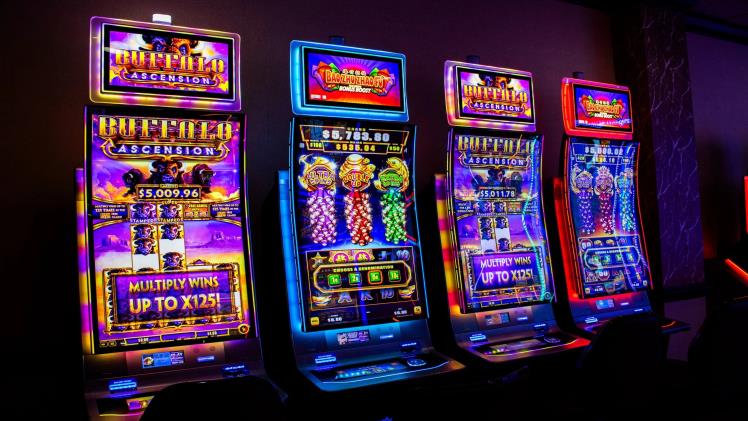
Enter a casino, and the first thing you’ll notice is the kaleidoscope of lights, upbeat tunes, and the steady jingle of coins or credits. Slot machines are everywhere, offering the rush of possible jackpots. Yet one question lingers—are these games entirely random, or could something else be influencing the results without you realizing it?
In reality, every modern slot is powered by a hidden piece of technology called a Random Number Generator (RNG). It’s what determines whether you win, lose, or land a near-miss—and it’s a lot more sophisticated than most people think.
For a complete guide and the full top 10 online casino Singapore rankings, head over to Techbars.net.
Understanding the Random Number Generators in Slots
Acting like the slot’s “brain,” the RNG uses nonstop algorithms to produce numbers around the clock. When you spin, it instantly picks one, linking it to a specific reel symbol combination that determines your final outcome for that play.
Fairness exists because no spin affects another; every result is determined independently, giving all players an equal opportunity each round. The machine doesn’t “remember” previous results, so there’s no streak-building logic or pattern you can crack. Regulators and independent labs test these RNGs rigorously before they’re approved, ensuring that the odds stay consistent.
Why Modern Slots Use Pseudo-Random Generators
You might assume that randomness in gambling comes from some chaotic natural source. But most slots don’t use “true” randomness. Instead, they rely on Pseudo-Random Number Generators (PRNGs)—a form of randomness generated by mathematical formulas.
PRNGs aren’t truly unpredictable if you know the formula and the starting number (known as the “seed”). But in practice, they’re designed to be so complex that no player could realistically guess the outcome. The advantage? They work fast, producing results in fractions of a second—perfect for high-speed casino play.
The Big Difference Between PRNGs and True RNGs
Random outcomes from true RNGs come from physical events such as atmospheric noise or radioactive decay, making them truly unpredictable but slower and more complex to use in slots. PRNGs work faster, performing thousands of calculations instantly for smooth gameplay, yet still simulate randomness almost flawlessly for an authentic slot-playing experience every time.
How Testing Labs Make Sure Games Stay Fair
Before any slot machine hits the casino floor—whether physical or online—it goes through a series of independent tests by labs such as eCOGRA and iTech Labs. These organizations run millions of simulated spins to check for fairness, consistency, and compliance with regulations.
Only after passing these checks can a machine be certified. That certification isn’t just a formality—it’s what gives players confidence that the games aren’t rigged.
Why Hacking Modern Slot Machines Is Nearly Impossible
Yes, there have been cases in the past where people managed to beat the system. In the early 2000s, a group famously reverse-engineered certain slot machine RNGs and timed their spins to win. But those days are gone.
Today’s machines use multiple layers of encryption, secure microprocessors, and continuous monitoring to prevent tampering. Online slots are even more locked down, often protected with security measures on par with banking systems.
Debunking the Myth of Hot and Cold Machines
Many believe the myth that a slot machine is “due” for a win after losses. In reality, RNG technology makes every spin random and independent, ensuring previous results never influence future outcomes. A jackpot hit on the last spin has zero effect on your next result—the odds are exactly the same every time you press spin.
It’s human nature to see patterns where none exist, but chasing a “hot” machine is just chasing a story your brain has made up.
Where RTP Fits into the Bigger Picture
While RNGs ensure random outcomes, Return to Player (RTP) rates give you a statistical snapshot of a game’s payouts over the long run. For example, With a 96% RTP, the game is expected to return $96 per $100 wagered, calculated across millions of spins, not individual games or short-term outcomes.
RTP can help guide your game selection, but it doesn’t influence short-term luck. You can still win big or lose quickly, regardless of the RTP.
Regulations That Protect the Players
Casinos can’t just put any slot on the floor. Regulatory bodies like the Nevada Gaming Control Board set strict rules for game fairness and payout percentages. In most U.S. jurisdictions, slots must meet a minimum RTP—often around 75% or higher.
These rules ensure that casinos can’t stack the odds unfairly against players beyond the house edge already built into the game.
The Evolution from Mechanical to Digital Randomness
During the early days, slot machines operated with mechanical reels and springs, making their results far easier for players to predict or manipulate than now. The shift to microprocessors in the 1980s changed everything. RNGs replaced physical mechanisms, making results truly unpredictable.
Modern slots now operate with near-instant calculations, advanced encryption, and a level of security comparable to online banking. The leap from mechanical levers to digital algorithms has made today’s slots fairer—and harder to beat—than ever.
The Final Word: Controlled Chaos at Its Finest
So, are slot machines truly random? Thanks to RNG technology, they’re as random as technology allows. Each spin happens separately, with no link to earlier spins. There’s no secret cycle, no warming-up process, and no accurate way to predict the upcoming result in advance.
That unpredictability is what makes slots both thrilling and dangerous. It’s why one player can hit a jackpot in five minutes while another plays for hours without a big win. And it’s why, no matter how much you study them, the only guarantee you get from a slot machine is uncertainty.